


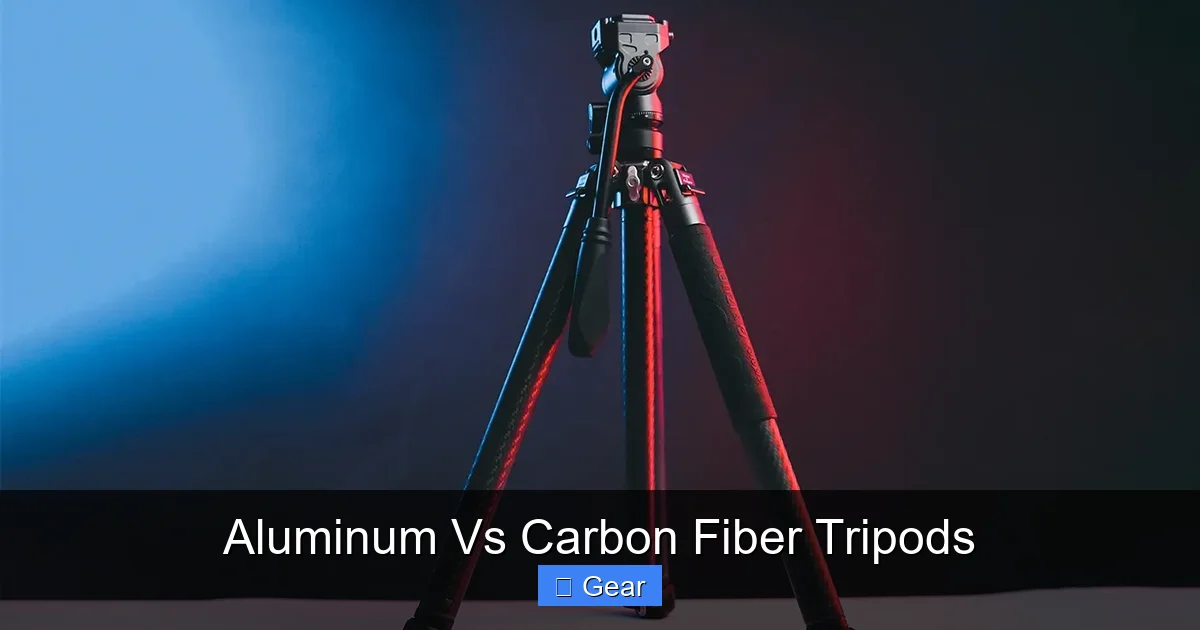
Choosing between aluminum vs carbon fiber tripods involves balancing key factors. Carbon fiber tripods offer superior lightness and vibration dampening, making them ideal for travel and critical sharpness, but they come with a higher price tag. Aluminum tripods are generally more affordable and robust against dents, though heavier and less effective at absorbing vibrations. Your ideal choice depends on your budget, portability needs, and the demands of your specific photography style.
Picking the right tripod can feel like a quest, can’t it? It’s one of those essential pieces of gear that directly impacts the sharpness and stability of your photos. But walk into any camera store, or browse online, and you’re immediately faced with a big decision: do I go for aluminum or carbon fiber? This isn’t just about color or brand; it’s about two fundamentally different materials, each with its own set of strengths and weaknesses. Understanding these differences is key to making a choice that truly serves your photographic journey.
You see, a tripod isn’t just a stand; it’s your camera’s rock-solid foundation. It’s there to eliminate blur, enable longer exposures, and help you compose shots with precision. Whether you’re a seasoned pro venturing into remote landscapes or a passionate hobbyist capturing family moments, the right support system can elevate your photography. So, let’s dive deep into the world of aluminum vs carbon fiber tripods and figure out which one is the perfect partner for your camera.
Key Takeaways
- Weight and Portability: Carbon fiber is significantly lighter than aluminum, making it the preferred choice for photographers who travel frequently or hike long distances.
- Vibration Dampening: Carbon fiber excels at absorbing vibrations, which is crucial for sharp images, especially in low light, long exposures, or windy conditions. Aluminum is less effective at dampening vibrations.
- Durability and Robustness: Aluminum tripods are generally more resistant to blunt force impacts and dents, though they can bend. Carbon fiber is very strong but can splinter or crack under severe, sharp impact.
- Cost: Aluminum tripods are considerably more affordable than carbon fiber tripods, making them a great budget-friendly option for many photographers.
- Temperature Adaptability: Carbon fiber is more comfortable to handle in extreme cold or heat, as it doesn’t conduct temperature as readily as aluminum.
- Ideal Use Cases: Carbon fiber is best for serious travelers, landscape, macro, and astrophotographers who prioritize weight and vibration control. Aluminum is excellent for studio work, beginner photographers, or those on a tighter budget who don’t mind extra weight.
Quick Answers to Common Questions
Is a carbon fiber tripod worth the extra cost?
For photographers who prioritize portability, superior vibration dampening for sharp images (especially in challenging conditions or specific genres like landscape/macro), and frequently travel with their gear, a carbon fiber tripod is often worth the extra investment due to its performance and comfort benefits.
Are aluminum tripods strong enough?
Yes, aluminum tripods are very strong and capable of supporting substantial camera setups. They are a reliable and durable choice for most photographers, especially those who don’t prioritize minimal weight or extreme vibration dampening.
Which tripod material is better for windy conditions?
Carbon fiber tripods are generally better for windy conditions because their composite structure is more effective at absorbing and dissipating vibrations caused by wind, leading to sharper images compared to aluminum tripods.
Can I take an aluminum tripod hiking?
You can certainly take an aluminum tripod hiking, but be prepared for the added weight. While perfectly functional, a carbon fiber tripod will offer a significantly lighter load, which can make long hikes much more enjoyable.
Do carbon fiber tripods break easily?
No, carbon fiber tripods are incredibly strong and durable. While they can splinter or crack under very severe, sharp impacts (unlike aluminum which might dent or bend), modern designs are highly robust and built to withstand significant use and abuse.
📑 Table of Contents
- The Fundamental Differences: Material Science Explained
- Weight and Portability: The Ultimate Traveler’s Dilemma
- Vibration Dampening and Stability: Keeping Your Shots Sharp
- Durability and Longevity: Built to Last?
- Cost Considerations: Budgeting for Your Support System
- When to Choose Which: Making Your Decision
- Final Thoughts on Aluminum Vs Carbon Fiber Tripods
The Fundamental Differences: Material Science Explained
Before we talk about performance, let’s understand what these materials actually are and why they behave the way they do. This knowledge forms the bedrock of our comparison between aluminum vs carbon fiber tripods.
What is Aluminum?
Aluminum, specifically aluminum alloy, has been the go-to material for tripods for decades. It’s a metal, and like most metals, it’s relatively heavy for its strength. Think about a bicycle frame or an airplane fuselage; aluminum is strong, rigid, and can be molded into various shapes. It’s also quite abundant and relatively inexpensive to produce. This makes aluminum tripods a very popular and accessible choice for many photographers.
What is Carbon Fiber?
Carbon fiber, on the other hand, is a composite material. It’s made from incredibly thin strands of carbon, often thinner than a human hair, woven together and then set in a resin. Imagine many layers of this woven fabric, all bonded together. This construction gives carbon fiber its unique properties: incredible strength for its weight, and excellent vibration dampening capabilities. It’s the same material used in high-performance racing cars, aerospace components, and even high-end fishing rods.
Weight and Portability: The Ultimate Traveler’s Dilemma
Visual guide about Aluminum Vs Carbon Fiber Tripods
Image source: phototraces.b-cdn.net
This is often the first and most obvious point of comparison when looking at aluminum vs carbon fiber tripods. If you’re going to carry your gear, weight matters, right?
The Lightweight Champion: Carbon Fiber
Carbon fiber tripods are the undisputed champions when it comes to weight. They are significantly lighter than their aluminum counterparts, often by 25-30% or more, while offering comparable or even superior strength. This makes a huge difference if you’re a landscape photographer hiking miles to a sunrise spot, a travel photographer navigating busy airports, or even just someone who frequently carries their gear around town.
For example, imagine a carbon fiber tripod that weighs 3 pounds (1.4 kg) versus an aluminum one that weighs 5 pounds (2.3 kg) with similar specifications. That 2-pound difference might not sound like much on its own, but when added to a camera body, multiple lenses, filters, and other accessories, it quickly adds up. Your shoulders, back, and knees will thank you at the end of a long day.
The Sturdier Companion: Aluminum
Aluminum tripods, by virtue of being metal, are heavier. This added weight can sometimes be an advantage, particularly in studio settings or when you’re not moving the tripod much. A heavier tripod can feel more grounded and less susceptible to being knocked over accidentally. However, for anyone who needs to carry their gear, the weight becomes a real consideration. If you’re an urban explorer or a casual photographer who mostly shoots close to your car, the extra weight of an aluminum tripod might be perfectly acceptable. But if you’re planning a multi-day trek, that weight will start to feel like a burden very quickly.
Vibration Dampening and Stability: Keeping Your Shots Sharp
Beyond just holding your camera up, a tripod’s primary job is to keep it absolutely still. This is where vibration dampening comes into play, and it’s a critical factor in the aluminum vs carbon fiber tripods debate.
Carbon Fiber’s Edge in Vibration Control
Carbon fiber truly shines here. Its composite structure is inherently better at absorbing and dissipating vibrations than metal. Think of it like this: when a vibration hits carbon fiber, the energy gets scattered and absorbed within its layered structure. When a vibration hits aluminum, the energy travels right through it, often causing the camera to subtly shake.
Why does this matter?
- Long Exposures: For silky smooth water, star trails, or light painting, even the slightest vibration can ruin a shot. Carbon fiber helps ensure maximum sharpness.
- Macro Photography: When shooting extreme close-ups, depth of field is incredibly shallow. Minute vibrations become magnified, making tack-sharp focus nearly impossible with an unstable tripod.
- Windy Conditions: If you’re out in the elements, wind can cause your tripod to vibrate. Carbon fiber’s dampening properties help counteract this.
- Heavy Lenses: Pairing a heavy telephoto lens with a tripod? Carbon fiber will provide a more stable platform, reducing wobble from the lens’s weight or mirror slap.
This superior vibration dampening is a huge selling point for professional photographers and serious enthusiasts who demand the absolute sharpest images possible.
Aluminum and Vibrations
Aluminum tripods are rigid, which is good for stability against bending, but they transmit vibrations more readily. This doesn’t mean aluminum tripods are unstable; a well-designed, sturdy aluminum tripod can be very stable. However, if you’re comparing two tripods of similar design and build quality, the carbon fiber one will almost always outperform the aluminum one in terms of vibration absorption. For everyday photography, this might not be a deal-breaker. But for specific genres like astrophotography or highly detailed macro work, the difference can be significant.
Durability and Longevity: Built to Last?
When you invest in a tripod, you want it to last. Both aluminum and carbon fiber tripods are built to be durable, but they handle wear and tear differently.
Aluminum: Tough Against Dents
Aluminum is a metal, so it’s generally more resistant to dents and scratches from minor impacts. If you drop an aluminum leg, it might get a ding or a bend, but it’s unlikely to shatter. This robustness makes aluminum a solid choice for photographers who might be a bit rougher on their gear or frequently work in challenging environments where impacts are common. However, aluminum can corrode over time, especially if exposed to saltwater, and a severe bend can compromise its structural integrity.
Carbon Fiber: Strong, But With a Caveat
Carbon fiber is incredibly strong and stiff for its weight. It doesn’t bend like aluminum; it’s more likely to resist bending up to a certain point, then splinter or crack if the force is too great or comes from a sharp, concentrated impact. Think of a carbon fiber bike frame – it’s super strong but can crack if it hits a sharp object at speed.
However, modern carbon fiber tripods are incredibly well-engineered and are designed to withstand significant abuse. They won’t rust or corrode. The main concern is usually a sharp impact on a thin leg section. For everyday knocks and bumps, they hold up very well, often better than aluminum because they don’t dent as easily. Another subtle advantage of carbon fiber is its resistance to temperature. Aluminum conducts heat and cold very efficiently, so an aluminum tripod can feel scorching hot in the desert sun or painfully cold in winter. Carbon fiber remains much closer to ambient temperature, making it more comfortable to handle in extreme conditions.
Cost Considerations: Budgeting for Your Support System
Let’s be honest: price is almost always a factor. When comparing aluminum vs carbon fiber tripods, this is where the biggest difference often lies.
The Budget-Friendly Option: Aluminum
Aluminum tripods are significantly more affordable than carbon fiber tripods. This is due to the lower cost of raw materials and simpler manufacturing processes. You can get a very capable and sturdy aluminum tripod for a fraction of the cost of its carbon fiber equivalent. This makes aluminum an excellent choice for:
- Beginner photographers: Who are just starting out and don’t want to break the bank on gear.
- Photographers on a tight budget: Who still need a reliable support system.
- Casual users: Who don’t require the absolute peak performance or minimal weight.
- Studio photographers: Where portability is less of a concern, and budget can be stretched further on lighting or lenses.
Don’t misunderstand; an affordable aluminum tripod can still be a fantastic tool. It allows you to invest more of your budget into lenses, which often have a greater impact on image quality than the tripod material itself.
The Investment Piece: Carbon Fiber
Carbon fiber tripods are an investment. Their higher price reflects the more expensive raw materials and the complex, labor-intensive manufacturing process required to create those strong, lightweight composite tubes. While the initial outlay is higher, many photographers consider it a worthwhile investment for the long term.
Why pay more for carbon fiber?
- Long-term comfort: If you’re carrying it frequently, the reduced weight translates to less fatigue and more enjoyable shoots.
- Peak performance: For genres demanding ultimate sharpness and stability (like landscapes, astrophotography, or macro), the superior vibration dampening pays dividends.
- Durability and longevity: A well-cared-for carbon fiber tripod can last a lifetime, often outperforming several cheaper aluminum models in terms of sustained performance and comfort.
It’s important to remember that the most expensive carbon fiber tripod isn’t always necessary. There are excellent mid-range options that offer a fantastic balance of features and price.
When to Choose Which: Making Your Decision
So, after breaking down the characteristics of aluminum vs carbon fiber tripods, how do you make the right choice for *you*? It really boils down to your specific needs, shooting style, and budget.
Choose Aluminum If:
- You’re on a budget: Aluminum offers great value and allows you to save money for other essential gear.
- Weight isn’t a primary concern: If you mainly shoot in a studio, close to your car, or don’t mind a heavier pack.
- You’re rough on your gear: Aluminum can take a beating and is more resilient to dents and dings.
- You’re a beginner: An aluminum tripod is an excellent starting point to learn good tripod habits without a huge initial investment.
Choose Carbon Fiber If:
- Portability is paramount: You frequently travel, hike, or walk long distances with your gear.
- You prioritize ultimate sharpness: For landscape, macro, astrophotography, or any situation where vibration control is critical.
- You often shoot in extreme temperatures: Carbon fiber is more comfortable to handle in very hot or cold conditions.
- You view your gear as a long-term investment: The benefits of carbon fiber, especially reduced fatigue and superior performance, often justify the higher cost over time.
- You use heavy lenses: Carbon fiber provides a more stable platform for larger, heavier glass, minimizing wobble.
Ultimately, the best tripod for you is the one you’ll actually use. A lightweight carbon fiber tripod that stays at home because you can’t afford it isn’t as good as a slightly heavier aluminum one that accompanies you on every adventure. Consider your needs, test out different options if possible, and make an informed decision that enhances your photography.
Final Thoughts on Aluminum Vs Carbon Fiber Tripods
The debate between aluminum vs carbon fiber tripods isn’t about one being inherently “better” than the other in every single aspect. It’s about finding the best fit for your unique photographic journey. Both materials offer excellent stability and support, but they achieve it through different means and come with different trade-offs.
Take a moment to honestly assess your photography habits. How often do you travel with your tripod? What kind of environments do you typically shoot in? How critical is absolute sharpness for your work? What’s your realistic budget? Answering these questions will guide you towards the perfect choice. Whether you opt for the robust reliability of aluminum or the lightweight, vibration-dampening prowess of carbon fiber, investing in a good quality tripod is one of the best decisions you can make for your photography. It’s a foundational piece of gear that will serve you well for years to come, ensuring your images are always as sharp and steady as your vision demands. Happy shooting!
🎥 Related Video: Carbon Fiber vs Aluminum Tripods | Which Is BEST!? – Unboxing the Manfrotto 055 Carbon Fiber Tripod
📺 Travis Varga Films
Possibly the most overlooked aspects of a film production – tripods. And which material should you choose for this often unnoticed, …
Frequently Asked Questions
What is the main advantage of a carbon fiber tripod over an aluminum one?
The main advantage of a carbon fiber tripod is its significantly lighter weight combined with superior vibration dampening capabilities. This makes it ideal for photographers who need to carry their gear long distances and require the utmost sharpness for their images.
Are aluminum tripods more stable than carbon fiber tripods?
While a heavier aluminum tripod might feel more planted due to its mass, carbon fiber tripods generally offer better stability in terms of vibration absorption. Both materials can create very stable tripods, but carbon fiber excels at preventing vibrations from reaching the camera.
How do the materials handle extreme temperatures?
Carbon fiber is much more comfortable to handle in extreme hot or cold conditions because it doesn’t conduct temperature readily. Aluminum, being a metal, will get very hot in the sun and painfully cold in freezing temperatures, making it less pleasant to work with.
Which tripod material is better for beginners?
For beginners, an aluminum tripod is often recommended. It offers excellent stability, good durability, and comes at a much more affordable price point, allowing new photographers to invest in other essential gear like lenses.
Does the number of leg sections affect stability for both materials?
Yes, generally, fewer leg sections (e.g., 3-section) tend to offer slightly more stability than more sections (e.g., 5-section) for both aluminum and carbon fiber tripods. More sections mean more locking mechanisms and thinner lower leg tubes, which can introduce minor flex.
Can saltwater damage both aluminum and carbon fiber tripods?
Saltwater can be corrosive to aluminum over time, especially if not cleaned properly, potentially leading to rust and stiffening of parts. Carbon fiber itself is not affected by saltwater corrosion, but metal components like screws and leg locks on a carbon fiber tripod can still be susceptible.
